

How to Get Pet Hair Out of Your Car: A Chicago Pet Owner's Guide
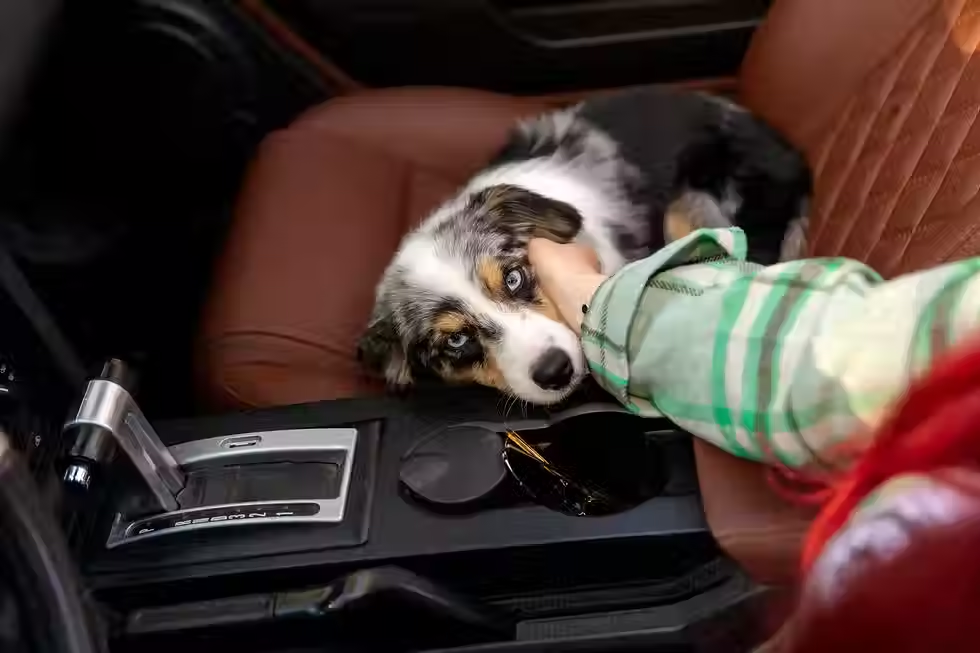
Any Chicago pet owner who has climbed back into their car after a trip to the dog park knows the struggle of finding yet another carpet of fur on the car seats. Pet hair becomes embedded in fabric, clings to plastic and vinyl, and somehow, always returns despite your best efforts to vacuum it away. The following is a detailed guide to pet hair removal from cars covering all the tools and techniques to consider, and when to book a professional detailer instead.
If you are wondering how car detailing helps your car, read our blog on 10 benefits of Professional Detailing.
Quick Answer: loosen the hair with a rubber glove or pet hair brush, then vacuum it away with a motorized pet hair attachment. Ideally, going with the grain of the fabric is better. This two-step process is the most recommended for how to remove pet hair from car seats, mats, and trunks because it most often effectively lifts the hair and leaves your upholstery looking clean whether you're dealing with a stray tuft or a fully sheared seat.
Why Pet Hair Is So Difficult to Remove From Your Car
Pet hair does not behave like normal dirt. Each strand of hair is covered in tiny barbs that allow it to easily latch onto fabric. And the friction of moving around causes even more static to build up and adhere the hair to your car seats. Together, the combination of hooking and static adhesion is what makes pet hair so difficult to vacuum up with a standard household vacuum, and is also the reason why many pet owners find themselves searching for ways to remove pet hair from car upholstery rather than simply vacuuming it away.
How Pet Hair Clings to Different Interior Materials
Different materials each present a separate challenge when it comes to removing pet hair from your vehicle:
Cloth and carpet: the woven texture catches the hair at an angle that prevents it from being pulled out by suction alone, which is the main obstacle in most pet hair removal from car tasks
Leather and vinyl: static caused by friction adheres the hair to the surface, rather than embedding it in the material
Floor mats: pet hair becomes trapped in the ridges of the rubber or looped mats, where it is much more difficult to reach
Why Chicago Weather Makes the Problem Worse
Dry Chicago winters ramp up static electricity, and that makes hair cling to seats and carpet harder than it would in a milder climate. Then summer arrives, humidity climbs, pets shed more, and hair starts feeling almost glued to warm vinyl and leather. Between the two extremes, drivers searching for pet hair removal car Chicago tips are usually dealing with a tougher version of this problem than people in more temperate parts of the country.
The Best Ways to Remove Pet Hair From Your Car
There isn't one magic tool, but a few work consistently well: rubber gloves, dedicated pet hair brushes, a vacuum with a motorized pet attachment, and detailing brushes for the tight spots. Used in that order. Loosen, lift, vacuum, then detail; you get the most complete result, and this sequence is really the backbone of any reliable car interior pet hair removal routine.
Rubber Gloves
Running a damp rubber glove over car seats and carpets causes a static charge to build up that attracts the hair, which can then be removed by bunching it up with the gloves before pulling it away from the surface. One of the most effective methods of dog hair car seats removal while still being incredibly cheap and easy to do, rubber gloves can be used on all material surfaces.
Pet Hair Removal Brushes
As the name suggests, pet hair removal brushes are specifically designed to lift embedded hair from car upholstery with their silicone or rubber bristles, and are generally much more effective than lint rollers at removing dog hair from car seats, particularly with textured materials. Most pet owners looking for pet hair removal for car interior advice find that a good brush is an essential part of the process.
Vacuum Cleaners With Pet Hair Attachments
A motorized brush head agitates the fibers while pulling suction, loosening hair that a plain hose attachment would just skip over. For everyday upkeep, this is arguably the best way to remove pet hair from car seats and carpet without a full detailing appointment.
Detailing Brushes and Air Tools
Compressed air and small detailing brushes get into seat seams, cupholders, and vents, spots where hair piles up but most tools can't follow the shape of the material.
Tool | Best For | Cost | Effort |
Rubber gloves | Cloth, leather, vinyl | Low | Low |
Pet hair brushes | Embedded hair in cloth seats | Low | Medium |
Vacuum with pet attachment | Everyday maintenance, all surfaces | Medium | Low |
Detailing brushes and air tools | Seams, vents, cupholders | Medium | Medium |
Read our blog on how much Car Detail Cost in Chicago to know the complete cost of an interior detail.
How to Remove Dog Hair From Car Seats
Begin by loosening the hair using either a rubber glove or a pet hair brush, then vacuum using a motorized brush attachment in short, small strokes. When it comes to how to remove dog hair from car upholstery, this is one of the most efficient methods since it can be used as a standalone treatment for light embedded hair or combined with other methods for more severe cases. Leather or vinyl car seats benefit from being wiped down with a barely damp microfiber cloth after removing the hair since the static charge is what causes it to adhere to the smooth surface.
Cloth Seats
Work with the fabric grain, not against it. Going against the grain tends to push hair deeper into the weave rather than pulling it free, which is one of the most common reasons people struggle to remove dog hair from car upholstery even after a thorough vacuum session.
Leather and Vinyl Seats
Wipe with a slightly damp microfiber cloth after loosening the hair. Skip oil-based cleaners until after the hair's gone, since the residue can actually make it stick harder.
Floor Mats and Carpets
Pull the mats out and shake or beat them outside first. For the carpet underneath, a stiff detailing brush followed by strong vacuum suction handles the hair that's worked into the pile, and it rounds out a full dog hair car seats and floor cleaning session.
Surface | Loosen With | Lift With | Finish With |
Cloth seats | Rubber glove or brush | Motorized vacuum | N/A |
Leather and vinyl | Rubber glove | Vacuum | Damp microfiber cloth |
Floor mats and carpet | Shake outside, detailing brush | Vacuum with strong suction | N/A |
Common Mistakes That Leave Pet Hair Behind
Most missed spots come down to three habits: using a vacuum without a motorized brush head, scrubbing instead of lifting, and skipping the creases and seams where hair actually hides.
Using the Wrong Vacuum
A standard household vacuum with no rotating brush, weak suction tends to just push hair around the seat rather than pulling it out.
Scrubbing Too Aggressively
Hard scrubbing shoves hair deeper into the fibers, and on cloth seats it can wear down the material over time. Loosening first, then vacuuming, works better than brute force ever will.
Ignoring Tight Spaces and Seat Creases
Seams, seat tracks, cupholders and vents are where hair collects that the main seat surface never sees. Skip them and you'll swear the dog hair car seats problem "came back" even though it was never really gone. Getting this part right is really what separates a quick fix from actually knowing how to remove pet hair from car creases where fur likes to hide.
DIY Pet Hair Removal vs Professional Car Detailing
DIY holds up fine for light to moderate shedding and routine upkeep. Professional detailing earns its cost when the hair's deeply embedded, you've got multiple pets, allergies are a concern, or you're getting the car ready to sell.
When DIY Is Enough
Clean the car every week or two and your pet's a normal shedder? Rubber gloves, a pet hair brush, and a decent vacuum will keep things under control without needing to learn how to remove pet hair from car interiors at a professional level.
When Professional Pet Hair Removal Is Worth It
Heavy shedders, long-haired breeds, multiple pets, or a cleaning schedule that's fallen off, any of these can leave hair packed deep into carpet and seat foam. Professional extraction tools reach what home equipment can't, and a full detail also tackles odor and allergens, not just the hair you can see.
Factor | DIY Cleaning | Professional Detailing |
Shedding level | Light to moderate | Heavy or multiple pets |
Tools used | Gloves, brushes, home vacuum | Extraction equipment, static tools |
Time required | 20 to 40 minutes | Handled for you |
Odor and allergens | Not addressed | Included in service |
Best for | Regular upkeep | Deep, embedded hair or resale prep |
Preventing Pet Hair Buildup in Your Vehicle
A few habits go a long way: seat covers or a pet hammock, brushing your pet before car rides, and a cleaning routine you actually stick to.
Seat Covers and Pet Hammocks
A washable cover keeps hair off the actual upholstery, so cleanup is just pulling the cover and shaking it out. No digging hair out of seams and no need to remove dog hair from car upholstery every single week.
Regular Brushing Before Car Rides
Five minutes of brushing before you head out removes loose hair before it ever touches your seats.
Routine Interior Cleaning
Vacuuming every few trips keeps hair from building up in the first place, and fresh hair is a lot easier to handle than hair that's had weeks to embed itself, no matter how good your car interior pet hair removal routine is.
Professional Pet Hair Removal in Chicago
A professional pet hair job in Chicago typically runs through pre-vacuuming, static-release tools, deep extraction on carpet and seats, and a final detail pass. With mobile car detailing Chicago services, all of that happens right at your home or office instead of a shop.
What to Expect From a Professional Detail
Expect a thorough vacuum first, then specialized rubber or brush tools to lift what's embedded, a deeper extraction pass on carpet and seats, and a finish that includes interior wipe-down and odor treatment if it's needed. Most pet hair removal car Chicago appointments run under an hour once the technician arrives.
Why Mobile Detailing Is Convenient for Pet Owners
Mobile car detailing Chicago pet owners rely on brings the equipment straight to your driveway or parking lot, so there's no arranging pet care, no waiting around at a shop, and no rearranging your day just to fit an appointment in.
Choose Chi Town Mobile Wash for Pet Hair Removal in Chicago
Chi Town Mobile Wash handles pet hair removal car Chicago residents can count on, using professional-grade extraction tools that go well beyond what a home vacuum can do. Our mobile car detailing Chicago team comes to you, city or suburbs, so getting the hair out of your car fits your schedule instead of the other way around. Book a mobile detail and get your seats, carpet, and trunk actually clear of dog and cat hair, without leaving your driveway.
Frequently Asked Questions
How to remove pet hair from a car?
Loosen it first with a rubber glove or pet hair brush, then vacuum with a motorized pet hair attachment, working with the fabric grain rather than against it. This two-step approach is consistently rated the best way to remove pet hair from car interiors by detailers and pet owners alike.
How do you remove dog hair from car seats?
Loosen the hair with a damp rubber glove or silicone brush, then vacuum with a motorized pet tool. On leather or vinyl, follow up with a slightly damp microfiber cloth to fully remove dog hair from car upholstery.
Can a vacuum remove all pet hair from a car?
Not on its own, usually. A vacuum alone often misses embedded hair on cloth seats and carpet. Pair it with a static-loosening step, like a rubber glove, and results improve a lot, this combination is at the center of most professional car interior pet hair removal work too.
Is professional pet hair removal worth it?
For heavy shedders, multiple pets, or hair that's worked deep into the fibers, yes, DIY tools often can't fully lift it, and professional service handles odor and allergens in the same visit.
How often should pet owners detail their car interiors?
Vacuum every one to two weeks, and plan on a full professional detail every two to three months, more often if you've got a heavy shedder or a long-haired breed.


Comments